Unlocking Creativity with the Hand Alphabet: A Modern Take on ASL Typography
In the world of digital design and visual communication, finding elements that are both meaningful and aesthetically pleasing is the holy grail. We often search for assets that not only look good but also tell a story or convey a deeper message. Enter the Hand Alphabet, a unique design concept that bridges the gap between functional typography and expressive art. It is not merely a set of letters; it is a celebration of American Sign Language (ASL) rendered in a friendly, decorative font style that breathes life into any project it touches.
What Exactly is the Hand Alphabet?
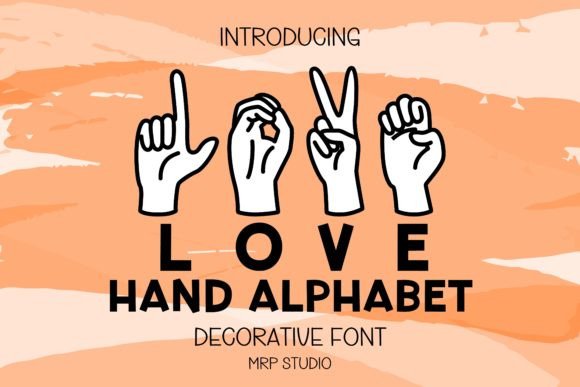
At its core, the Hand Alphabet represents the manual communication system used by the Deaf and hard-of-hearing community. However, in the context of modern design assets, this specific iteration takes the rigid structure of ASL fingerspelling and transforms it into something vibrant. Imagine the letters A through Z, but instead of standard serif or sans-serif lines, each letter is formed by a distinct hand gesture. This particular Hand Alphabet is designed with a "bright and fun" touch, moving away from clinical accuracy and embracing a friendly, decorative vibe.
It is this stylistic shift that makes it so versatile. While traditional ASL charts are educational, a stylized Hand Alphabet is emotional. It carries the weight of a language but wears the clothing of art. Whether you are a seasoned graphic designer, a teacher looking for engaging classroom materials, or a parent planning a themed birthday party, this design element offers a fresh way to communicate visually.
The Unique Appeal of Decorative Typography
Why choose a Hand Alphabet over a standard web font? The answer lies in the psychology of shape and recognition. Hands are universally understood symbols of human connection, help, and expression. When we see a letter shaped like a hand, it triggers a different cognitive response than seeing a block of static text.
The "friendly decorative font style" mentioned in the design philosophy is crucial here. Design trends have shifted significantly toward personalization and warmth. Cold, corporate fonts are taking a backseat to illustrations that feel hand-crafted. The Hand Alphabet fits perfectly into this trend. It provides a tactile feel to digital designs. Even though you are viewing it on a screen, the distinct finger positions create a sense of movement and gesture that static typography lacks.
Furthermore, this style adds a layer of inclusivity to your work. By incorporating ASL-inspired designs, you are acknowledging a rich linguistic culture. It signals to your audience that you value diversity and accessibility, even if the font is being used purely for decorative purposes.
Practical Applications: Where to Use the Hand Alphabet
The versatility of the Hand Alphabet is one of its strongest selling points. Because it is designed to be distinct yet legible, it can be adapted for a wide variety of uses. Here are some practical scenarios where this design element shines.
Party Decorations and Event Planning
Planning a party can be overwhelming, but the theme often dictates the success of the event. The Hand Alphabet is perfect for creating custom banners, cupcake toppers, and invitation headers. If you are hosting a "silent disco" or a music-themed event, using ASL letters to spell out "DANCE" or "PARTY" adds a cool, edgy aesthetic.
It is also fantastic for educational parties or events celebrating Deaf culture. You can create centerpieces that spell out guests' names or create a scavenger hunt where children have to decode the Hand Alphabet to find hidden treats. The bright and friendly nature of the font ensures it remains accessible and fun for children, avoiding the intimidation factor of complex design software or hard-to-read scripts.
Digital Designs and Social Media
In the fast-paced world of social media, stopping the scroll is essential. Text-heavy posts often get ignored, but visual posts with unique typography grab attention. Using the Hand Alphabet for Instagram stories, YouTube thumbnails, or Pinterest graphics can significantly increase engagement.
For content creators, this font style is a game-changer. It allows you to spell out keywords or titles in a way that feels organic and interactive. Imagine a thumbnail where the word "HELP" is spelled out using distinct hand gestures—it immediately communicates the video's topic without needing a subtitle. It adds a layer of personality to digital designs that standard fonts simply cannot replicate.
DIY Projects and Physical Crafts
The application extends beyond the screen into the physical realm. Scrapbookers and journal enthusiasts can use Hand Alphabet stamps or stickers to add flair to their pages. It is excellent for labeling storage bins in a playroom or creating educational flashcards for kids learning the alphabet through kinesthetic association.
For those who love embroidery or cross-stitch, a stylized ASL alphabet provides a modern, minimalist pattern source. You can create personalized wall art that spells out a family name or an inspirational word like "LOVE" or "JOY." The decorative nature of the letters ensures that the final product looks like intentional art rather than just text on a canvas.
Integrating Hand Alphabet into Modern Workflows
For professionals, adopting new design assets must be seamless. The Hand Alphabet is designed to fit into modern workflows without causing friction. Because it is typically provided in high-resolution formats (such as PNG with transparent backgrounds or vector SVG files), it can be easily dragged and dropped into major design software like Adobe Illustrator, Canva, or Procreate.
One of the key considerations for designers is scalability. A high-quality Hand Alphabet set maintains its clarity whether it is printed on a massive banner or shrunk down for a favicon. The "unique and friendly" style ensures that even when the letters are small, the hand shapes remain recognizable. This adaptability makes it a practical asset for both web design and print media.
Considerations Before Choosing a Hand Alphabet
While the Hand Alphabet is a powerful tool, there are a few factors to consider to ensure it works for your specific needs.
- Legibility vs. Style: Highly stylized fonts can sometimes sacrifice readability. When using the Hand Alphabet, ensure that the context makes the word clear. It is best used for headers, titles, or short keywords rather than long body paragraphs of text.
- Cultural Sensitivity: Since this design is based on American Sign Language, it is important to use it respectfully. While the "bright and fun" style is meant to be playful, ensure your usage does not mock or trivialize the language. Using it to promote inclusivity or simply as a cool design element is generally well-received, but context matters.
- Color Palette: To maximize the "bright" aspect of the design, consider the background colors you pair with it. The Hand Alphabet often looks best against clean, contrasting backgrounds that allow the intricate details of the hand gestures to pop.
Making Your Projects Stand Out
In a saturated market of digital assets, originality is currency. We have all seen the same stock photos and standard Google Fonts used over and over again. The Hand Alphabet offers a way to break the mold. It invites the viewer to look closer, to decode the message, and to appreciate the artistry of the letterforms.
Think about the branding potential. A children's clothing line could use a Hand Alphabet logo to suggest playfulness and growth. A sign language interpreter could use it on their business cards to instantly communicate their profession in a stylish way. The possibilities are limited only by imagination.
A Touch of Fun for Any Topic
Ultimately, the goal of good design is to evoke emotion. The Hand Alphabet is designed to evoke joy, curiosity, and connection. It transforms the mundane task of spelling into a visual experience. Whether you are creating a poster for a community event, designing a logo for a startup, or just making a birthday card for a friend, this font style adds that missing "bright and fun" touch.
It encourages us to look at language differently—not just as a means of transferring information, but as a physical, visual art form. By incorporating the Hand Alphabet into your toolkit, you are not just choosing a font; you are choosing to communicate with more warmth, more creativity, and more humanity. Try adding it to your next project and watch how it transforms the ordinary into the extraordinary.