The Audacity Font: A Modern Guide to Elegant Typography
In the vast universe of digital typography, where thousands of fonts compete for attention, certain typefaces emerge that capture a specific mood with perfect clarity. The Audacity font is one such creation. It is not merely a collection of letters but a distinct voice—a modern, elegant signature font that blends sophistication with a playful charm. Its clean lines and graceful curves make it a versatile tool for creators, designers, and anyone looking to infuse their work with a personal, heartfelt touch.
Understanding a font like Audacity goes beyond its aesthetic appeal. It involves recognizing its characteristics, knowing its ideal applications, and appreciating the emotional resonance it can create. This guide explores the practical world of the Audacity font, providing a thorough examination of its features, advantages, and the myriad ways it can be implemented to enhance your projects.
Anatomy of a Signature Style
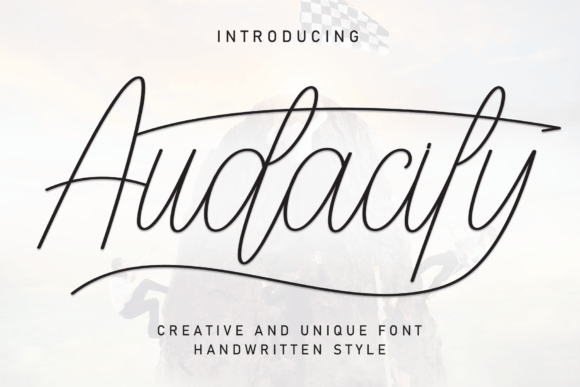
At its core, the Audacity typeface is a handwritten script font. However, it distinguishes itself from casual, messy, or overly formal calligraphic scripts. Its design philosophy centers on approachable elegance. The letters are connected in a flowing, natural manner that mimics the fluidity of a pen on paper, yet each character is crafted with deliberate legibility. The font often features gentle loops, balanced ascenders and descenders, and consistent spacing that prevents the text from feeling cramped or chaotic.
Key visual characteristics of the Audacity font include:
- Variable Stroke Weight: The lines have subtle thick and thin variations, mimicking the pressure of a writing instrument, which adds a human, organic quality.
- Harmonious Letter Connections: The ligatures and connections between letters feel intuitive, avoiding awkward jumps or unnatural joins.
- Clear Glyph Design: Even with its script nature, letters like 'a', 'e', and 's' are designed to be instantly recognizable, reducing the risk of misreading, especially in smaller sizes or at a glance.
- Modern Sensibility: It avoids the overly ornate flourishes of vintage scripts, opting instead for a clean, contemporary look that feels fresh and relevant.
This combination of traits makes Audacity a font that feels both personal and polished. It doesn't scream for attention but rather invites the viewer in with a warm, confident demeanor.
Practical Applications and Ideal Use Cases
The true value of any font is realized in its application. The Audacity font excels in scenarios where a human touch is desired without sacrificing clarity or professionalism. Its versatility allows it to cross boundaries between personal projects and commercial designs.
Personal Celebrations and Stationery
This is the font's most natural habitat. For wedding invitations, Audacity is a premier choice. Its elegance conveys the significance of the event, while its fun, legible nature ensures all details are easily read. It works beautifully for save-the-dates, RSVP cards, menus, and ceremony programs. Beyond weddings, it is perfect for:
- Birthday and anniversary invitations
- Graduation announcements
- Holiday cards with a personal message
- Custom gift tags and labels
When used on stationery, the font transforms a simple piece of paper into a keepsake. The flowing script of Audacity makes a thank-you note feel more sincere and a love letter more intimate.
Branding and Marketing for Specific Industries
For businesses that thrive on personal connection and creativity, Audacity can become a core element of their brand identity. It is particularly effective for:
- Boutique Retailers: Clothing stores, artisan bakeries, florists, and craft shops can use it for logos, packaging, and in-store signage to create a friendly, bespoke atmosphere.
- Service-Based Businesses: Wedding planners, photographers, interior designers, and life coaches can use the font in their marketing materials to communicate a personalized, attentive service.
- Creative Professionals: Artists, illustrators, and freelance designers might use Audacity for their personal branding, website headers, or project titles to reflect their creative and approachable nature.
In these contexts, the font acts as a silent ambassador, instantly communicating the brand's personality before a single word of copy is read.
Digital Content and Social Media
In the fast-paced digital landscape, standing out is crucial. The Audacity font can add a layer of sophistication and personality to online content. Consider its use in:
- Social Media Graphics: Quote cards, promotional announcements, and story highlights benefit from the font's readability and charm.
- Blog Post Titles: Using Audacity for H1 or H2 headings can make a blog feel more curated and visually engaging.
- Email Newsletters: A welcome message or a signature line in Audacity can make a newsletter feel more personal and less corporate.
- Website Elements: It can be effectively used for logo text, taglines, or call-to-action buttons on websites targeting creative or lifestyle audiences.
The key in digital applications is to use it strategically. Because it is a display font, it is best reserved for headlines and short bursts of text, paired with a highly legible sans-serif or serif font for body copy.
Strategic Pairing and Design Considerations
Using a signature font like Audacity effectively requires an understanding of typographic pairing. The goal is to create visual hierarchy and balance. The elegant, flowing nature of Audacity pairs best with simpler, more neutral fonts that provide contrast without competing for attention.
Font Pairing Principles
A successful pairing often follows a "contrast with complement" approach. Here are some proven combinations:
- Audacity with a Clean Sans-Serif: Pairing Audacity with a font like Open Sans, Lato, or Montserrat creates a beautiful, modern contrast. The sans-serif provides a clean, stable foundation for body text, while Audacity adds personality to headings and accents. This is a highly versatile and safe combination for both print and digital.
- Audacity with a Classic Serif: For a more traditional or literary feel, combine Audacity with a serif like Georgia or Playfair Display. This works well for wedding invitations, book covers, or luxury branding where a sense of timelessness is desired.
- Audacity with a Monospaced Font: For a creative, tech-inspired, or editorial look, pairing Audacity with a monospaced font like Roboto Mono can create an intriguing juxtaposition between the organic and the structured.
Best Practices for Implementation
- Size and Hierarchy: Use Audacity at larger sizes for maximum impact. It shines as a headline or feature font. Avoid using it for long paragraphs or small, detailed information.
- Color and Background: The font's elegance is accentuated by ample white space. Use high-contrast color pairings (e.g., dark text on a light background or vice versa) to ensure legibility. Avoid busy or textured backgrounds that can interfere with its delicate letterforms.
- Spacing and Alignment: Generous letter-spacing and line-height (leading) can enhance its readability and luxurious feel. Left-aligned or centered text often works best for maintaining the natural flow of the script.
- Less is More: Overusing Audacity can dilute its impact. Use it sparingly for key elements where you want to inject personality and elegance. Its power lies in its selective application.
Observations on Font Licensing and Sourcing
When incorporating any font into a project, understanding its licensing is a critical, practical step. Fonts are intellectual property, and their use is governed by licenses that specify whether they are free for personal use, require a commercial license, or are part of a subscription service. The Audacity font, like many quality typefaces, is typically available through reputable font foundries and marketplaces.
Creators should always:
- Verify the License: Carefully read the End User License Agreement (EULA). Ensure the license covers your intended use—whether it's for a single client project, unlimited commercial use, or a personal blog.
- Source from Reputable Providers: Obtain the font from official foundries or authorized retailers. This ensures you receive the complete, high-quality font files and proper legal permission for use.
- Understand Web and App Licensing: If you plan to use the font on a website or in an application, you may need a specific webfont or app license, which is often different from a desktop license.
Adhering to these practices is not only ethical but also protects you and your clients from potential legal issues, ensuring your beautiful designs are also professionally sound.
The Enduring Appeal of Human-Centric Design
The popularity of fonts like Audacity reflects a broader trend in design: a return to human-centric, authentic communication. In an age of digital perfection and algorithmic precision, there is a growing appreciation for elements that feel handmade, personal, and emotionally resonant. A signature font taps into this desire, offering the imperfections and warmth of human handwriting with the consistency and scalability of digital typography.
It represents a bridge between the analog and digital worlds. It allows a wedding invitation to feel as personal as a handwritten note, and a brand logo to convey the care of a small-batch artisan. The Audacity font, with its specific blend of modern elegance and fun charm, is a tool for anyone looking to make that connection. Whether you are a bride designing your dream stationery, a small business owner crafting your brand story, or a designer seeking to add a layer of sophistication to a project, understanding and utilizing a font like Audacity can elevate your work from merely informative to truly memorable.